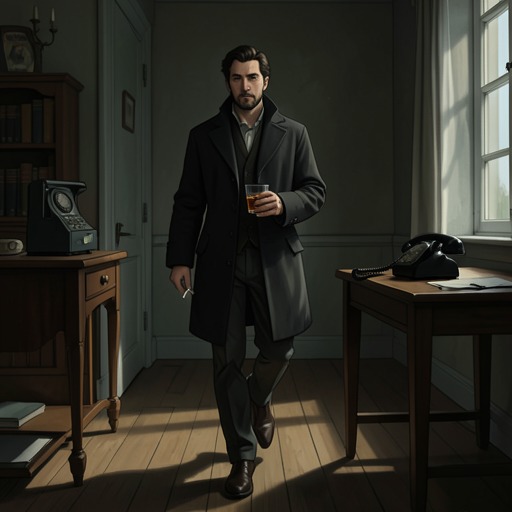
Bunny Munro’s childhood
The Butlins Encounter
As a boy at [Butlins](entity:location-recall-location-butlins-257c24582248), [Bunny Munro](entity:character-recall-character-bunny-munro-3c4dcdc1b459) watched the swimming pool from the water, feeling lonely until [Penny Charade](entity:character-recall-character-penny-charade-e45a366bf5de) smiled at him. Her attention filled him with a sense of power and revealed what he would come to call his gift: an ability to attract women.
Years before Libby Munro’s death
A Drunken Proposal
During a drunken night in [Eastbourne](entity:location-recall-location-eastbourne-80d8303d5797), [Bunny Munro](entity:character-recall-character-bunny-munro-3c4dcdc1b459) asked [Libby](entity:character-recall-character-libby-e30b643acc7d) to marry him. She told him to ask again in the morning, so she wrote “YES” in lipstick on his chest; the memory became his cherished account of their happiest beginning.
After Bunny Junior’s birth
The Newborn Son
When [Libby Munro](entity:character-recall-character-libby-munro-67864496459b) brought their newborn home, [Bunny Munro](entity:character-recall-character-bunny-munro-3c4dcdc1b459) could not find a loving response to the child and joked about his appearance instead. [Libby](entity:character-recall-character-libby-e30b643acc7d) told him to say it kindly, but [Bunny](entity:character-recall-character-bunny-ad309e0fabbf) felt overwhelmed by the depth of her love for their son.
Soon after Bunny Junior’s birth
The Kitchen Assault
While [Libby Munro](entity:character-recall-character-libby-munro-67864496459b) nursed the baby, [Bunny Munro](entity:character-recall-character-bunny-munro-3c4dcdc1b459) groped her friend and coworker [Sabrina Cantrell](entity:character-recall-character-sabrina-cantrell-a57389956920) in the kitchen. He could not explain the impulse, and the assault set off weeks of conflict in the household and became one of the betrayals that damaged his marriage.
Years before the road trip
Libby Learns of the Affair
On another occasion, [Libby Munro](entity:character-recall-character-libby-munro-67864496459b) found [Bunny Munro](entity:character-recall-character-bunny-munro-3c4dcdc1b459) in a hotel room with an unconscious woman. She looked at him and left without confronting him, after which she became withdrawn and stopped challenging his behavior as she once had.
In the period before the novel’s opening
Libby’s Deterioration
[Libby Munro](entity:character-recall-character-libby-munro-67864496459b) lived with depression and was prescribed [Tegretol](entity:object-recall-object-tegretol-fe3adbeaf8eb), but [Bunny Munro](entity:character-recall-character-bunny-munro-3c4dcdc1b459) worried that she was not taking it consistently. Her distress deepened amid his repeated infidelity and absence, while he minimized the damage and treated her illness as a medical problem that should simply be managed.
Shortly before the opening scene
The Horned Killer Emerges
News reports described a man with red body paint and plastic devil’s horns attacking women with a garden fork. The [Horned Killer](entity:character-recall-character-horned-killer-edeb71a6d6ef)’s frightening appearances on security footage became a running public terror and an ominous presence in [Bunny Munro](entity:character-recall-character-bunny-munro-3c4dcdc1b459)’s journey.
The morning before Libby Munro’s death
The West Pier Burns
From a hotel room in [Brighton](entity:location-recall-location-brighton-198006e5b23f), [Bunny Munro](entity:character-recall-character-bunny-munro-3c4dcdc1b459) watched the [West Pier](entity:location-recall-location-west-pier-4a19f009779f) burn as a vast flock of [Starlings](entity:creature-recall-creature-starlings-c0ef6155a49f) wheeled and screamed above it. [Libby Munro](entity:character-recall-character-libby-munro-67864496459b) called from home, frightened by the killer and the fire, but [Bunny](entity:character-recall-character-bunny-ad309e0fabbf) was drunk, distracted, and far from her.
The same morning
The Call from Home
During the call, [Libby Munro](entity:character-recall-character-libby-munro-67864496459b) mentioned the attacks and said she could smell smoke from the burning pier. [Bunny Munro](entity:character-recall-character-bunny-munro-3c4dcdc1b459) reassured her and promised to return early, but she recognized that he was lying and ended the call in anger.
The morning before Libby Munro’s death
The Hotel Encounter
After the call, [Bunny Munro](entity:character-recall-character-bunny-munro-3c4dcdc1b459) resumed his sexual routine with a prostitute in his room. Even while he tried to brush aside [Libby](entity:character-recall-character-libby-e30b643acc7d)’s distress, the thought “[I am damned](entity:expression-recall-expression-i-am-damned-4ebd08f5865a)” returned, hinting at a reckoning he could not yet face.
Later that morning
Bunny Meets River
At breakfast in the Grenville Hotel, [Bunny Munro](entity:character-recall-character-bunny-munro-3c4dcdc1b459) flirted with River, the waitress, and turned a product sample into an excuse to demonstrate lotion on her. His practiced confidence and sales patter led to sex, while his growing disorientation made the encounter feel less like ordinary seduction than part of a life coming apart.
Around midday
The Ride Home
Driving his yellow Fiat [Punto](entity:object-recall-object-punto-9772f593f87d) through [Brighton](entity:location-recall-location-brighton-198006e5b23f), [Bunny Munro](entity:character-recall-character-bunny-munro-3c4dcdc1b459) reveled in the summer crowd and fixated on women he passed. He masturbated in the parked car, then headed home still convinced that his appetite and charm could restore the ordinary pleasures of marriage.
That afternoon
The Ruined Flat
At [Grayson Court](entity:location-recall-location-grayson-court-7a75b58e70ca) in [Portslade](entity:location-recall-location-portslade-8b53443f39b3), [Bunny Munro](entity:character-recall-character-bunny-munro-3c4dcdc1b459) found the flat dark, disordered, and damaged. [Bunny Junior](entity:character-recall-character-bunny-junior-301ecc4342bc) explained that [Libby Munro](entity:character-recall-character-libby-munro-67864496459b) had locked herself in the bedroom; the torn clothes and wrecked belongings made clear that her anger had been directed at [Bunny](entity:character-recall-character-bunny-ad309e0fabbf).
That afternoon
Libby’s Suicide
[Bunny Munro](entity:character-recall-character-bunny-munro-3c4dcdc1b459) forced his way into the bedroom and found [Libby Munro](entity:character-recall-character-libby-munro-67864496459b) hanging from the security grille in her orange dressing gown. [Bunny Junior](entity:character-recall-character-bunny-junior-301ecc4342bc) was there with him. The discovery ended the family’s ordinary life and left father and son facing shock, grief, and the consequences of [Bunny](entity:character-recall-character-bunny-ad309e0fabbf)’s neglect.
Later that afternoon
The Ambulance Leaves
[Bunny Munro](entity:character-recall-character-bunny-munro-3c4dcdc1b459) watched attendants carry [Libby Munro](entity:character-recall-character-libby-munro-67864496459b) away on a stretcher, unable to grasp the finality of what had happened. He recalled the drunken proposal in [Eastbourne](entity:location-recall-location-eastbourne-80d8303d5797) as the happiest memory of their marriage, a protective recollection that helped him avoid confronting his responsibility.
The night after Libby Munro’s death
A Numb Evening
[Bunny Munro](entity:character-recall-character-bunny-munro-3c4dcdc1b459) and [Bunny Junior](entity:character-recall-character-bunny-junior-301ecc4342bc) sat together before the television, eating old pizza and avoiding the words they could not manage. The boy wanted his father’s company and worried about his mother, while [Bunny](entity:character-recall-character-bunny-ad309e0fabbf) drifted through drink, grief, and confusion without being able to comfort him.
That night
The Failed Call to His Father
[Bunny Munro](entity:character-recall-character-bunny-munro-3c4dcdc1b459) called his ill father but could not get through a conversation with him. His father’s coughing and hostile voice frightened him, and [Bunny](entity:character-recall-character-bunny-ad309e0fabbf) hung up, postponing the confrontation even as his father’s condition worsened.
Later that night
The Sleeping Pills
Back in the bedroom, [Bunny Munro](entity:character-recall-character-bunny-munro-3c4dcdc1b459) swallowed Rohypnol and tried to sleep beside the traces of [Libby Munro](entity:character-recall-character-libby-munro-67864496459b)’s absence. Images of her death and the objects she had left behind kept intruding, so he returned to the living room and sought escape in alcohol and television.
The following morning
A False Alarm
[Bunny Junior](entity:character-recall-character-bunny-junior-301ecc4342bc) found his father motionless on the sofa and believed he might be dead. [Bunny Munro](entity:character-recall-character-bunny-munro-3c4dcdc1b459) woke groggy and drugged, unable to understand his son’s anger about the bedroom key or the night before, then turned toward breakfast instead of addressing the boy’s fear.
The days after Libby Munro’s death
The Grief Arrangements
[Bunny Munro](entity:character-recall-character-bunny-munro-3c4dcdc1b459) handled funeral arrangements and calls in a numb haze. He found more evidence of [Libby](entity:character-recall-character-libby-e30b643acc7d)’s fury in the wreckage of his possessions, yet kept explaining her actions as symptoms of illness and struggled to recognize how personal her anger had been.
During the days of mourning
The Social Workers Visit
Social workers visited to assess [Bunny Munro](entity:character-recall-character-bunny-munro-3c4dcdc1b459) and [Bunny Junior](entity:character-recall-character-bunny-junior-301ecc4342bc). [Bunny](entity:character-recall-character-bunny-ad309e0fabbf) briefly collapsed in grief against Jennifer, then veered into inappropriate behavior and asked whether [Libby](entity:character-recall-character-libby-e30b643acc7d) might still be alive or haunting him, exposing how badly his grasp on reality had begun to fray.
Several days after Libby Munro’s death
The Funeral Service
At [St Nicolas Church](entity:location-recall-location-st-nicolas-church-2b072162cf95), [Bunny Munro](entity:character-recall-character-bunny-munro-3c4dcdc1b459) and [Bunny Junior](entity:character-recall-character-bunny-junior-301ecc4342bc) attended [Libby Munro’s funeral](entity:event-recall-event-libby-munro-5c517e88fb2a) in suits she had bought shortly before her death. The service described her as loving and generous without confronting the circumstances of her suicide, while her friends and family silently judged [Bunny](entity:character-recall-character-bunny-ad309e0fabbf).
During the funeral
Bunny Flees the Eulogy
Unable to endure the eulogy and the congregation’s disapproval, [Bunny Munro](entity:character-recall-character-bunny-munro-3c4dcdc1b459) slipped out to a nearby public toilet and masturbated. In the mirror he mistook his grief-stricken face for a new source of sexual appeal, even as the shifting shadows and a wasps’ nest revived his sense of impending doom.
Later that day
The Burial
[Bunny Munro](entity:character-recall-character-bunny-munro-3c4dcdc1b459) and [Bunny Junior](entity:character-recall-character-bunny-junior-301ecc4342bc) reached the cemetery, where the boy watched his mother’s small coffin lowered into the ground. [Bunny](entity:character-recall-character-bunny-ad309e0fabbf) barely managed the ritual, while Bunny Junior’s grief emerged in restless movement and memories of his mother.
Immediately after the burial
The Plea to Doris
[Bunny Munro](entity:character-recall-character-bunny-munro-3c4dcdc1b459) asked [Doris Pennington](entity:character-recall-character-doris-pennington-f8b342c18334) to take care of [Bunny Junior](entity:character-recall-character-bunny-junior-301ecc4342bc) because he believed himself incapable of parenting. She blamed [Bunny](entity:character-recall-character-bunny-ad309e0fabbf) for the suffering and death of her daughter and refused, telling him that the boy had only him.
After leaving the cemetery
The Song on the Drive
On the way home, [Bunny Munro](entity:character-recall-character-bunny-munro-3c4dcdc1b459) found relief in “Spinning Around,” and the song briefly lifted the anger and dread that had overwhelmed him. [Bunny Junior](entity:character-recall-character-bunny-junior-301ecc4342bc) echoed his father’s exuberance, offering a fleeting moment of closeness on a day otherwise defined by loss.
The evening after the funeral
The Wake at Home
Friends including [Geoffrey](entity:character-recall-character-geoffrey-f3d91d7b55cd) and [Poodle](entity:character-recall-character-poodle-beeba5994d8d) gathered at the flat, drinking and joking while [Bunny Munro](entity:character-recall-character-bunny-munro-3c4dcdc1b459) swung between memories of [Libby](entity:character-recall-character-libby-e30b643acc7d) and attempts to reclaim his sexual swagger. [Bunny Junior](entity:character-recall-character-bunny-junior-301ecc4342bc) heard his father’s crude joke and admired him, but the party’s adult behavior unsettled the boy.
Late that night
River Comforts the Boy
River took the exhausted [Bunny Junior](entity:character-recall-character-bunny-junior-301ecc4342bc) back to bed and tried to soothe him with comforting stories about heaven and his mother. Her drunken closeness frightened and confused him, and he silently wished that his mother could make her leave.
Early the next morning
River and Bunny Again
River and [Bunny Munro](entity:character-recall-character-bunny-munro-3c4dcdc1b459) had sex on the living-room sofa, but [Bunny](entity:character-recall-character-bunny-ad309e0fabbf) felt detached from the act and unable to summon his usual pleasure. He saw what seemed to be [Libby](entity:character-recall-character-libby-e30b643acc7d) watching from the curtains, then insisted that the [Horned Killer](entity:character-recall-character-horned-killer-edeb71a6d6ef) was moving south toward them.
That morning
The Road-Trip Decision
After River left, [Bunny Munro](entity:character-recall-character-bunny-munro-3c4dcdc1b459) considered his bereavement, his son, his father, and the haunted atmosphere of home. Rather than face those problems there, he decided to take [Bunny Junior](entity:character-recall-character-bunny-junior-301ecc4342bc) on the road while he sold beauty products, a plan that offered movement in place of responsibility.
The morning the journey began
Leaving Portslade
[Bunny Munro](entity:character-recall-character-bunny-munro-3c4dcdc1b459) dressed carefully, packed a suitcase, and told [Bunny Junior](entity:character-recall-character-bunny-junior-301ecc4342bc) they would travel together. The boy feared he was being sent away until [Bunny](entity:character-recall-character-bunny-ad309e0fabbf) clarified that they were both going; at the car, Cynthia’s flirtation briefly tempted Bunny to linger before he drove off.
Later that morning
Geoffrey’s Client List
At [Eternity Enterprises](entity:organization-recall-organization-eternity-enterpr-d4291abafbed), [Bunny Munro](entity:character-recall-character-bunny-munro-3c4dcdc1b459) persuaded [Geoffrey](entity:character-recall-character-geoffrey-f3d91d7b55cd) to give him a client list and samples, brushing aside his employer’s concern about the recent death. [Poodle](entity:character-recall-character-poodle-beeba5994d8d) arrived and offered [Bunny](entity:character-recall-character-bunny-ad309e0fabbf) the address of a woman he described as sexually available, but Bunny crumpled the note and rejected the arrangement.
On the coastal road
The Salesman’s Dream
[Bunny Munro](entity:character-recall-character-bunny-munro-3c4dcdc1b459) told [Bunny Junior](entity:character-recall-character-bunny-junior-301ecc4342bc) that sales depended on finding what people believed they needed and selling them hope. Asked what the dream was, he pointed to himself, presenting his charm as the product and teaching his son a philosophy that blurred persuasion with exploitation.
The first day of the sales trip
The Mothers’ Gathering
At a gathering of young mothers, [Bunny Munro](entity:character-recall-character-bunny-munro-3c4dcdc1b459) used compliments, jokes, and demonstrations to sell products and draw the women into a warm, flirtatious atmosphere. When they shared that their partners were gone, he briefly spoke of [Bunny Junior](entity:character-recall-character-bunny-junior-301ecc4342bc) as the light of his life, then sensed an unsettling chill and hurried away.
During the first sales route
The Lesson of Patience
While searching the Wellborne estate for a customer, [Bunny Munro](entity:character-recall-character-bunny-munro-3c4dcdc1b459) explained his tree metaphor: poor people’s resources were already being shaken by everyone, while wealthy customers held more to take. [Bunny Junior](entity:character-recall-character-bunny-junior-301ecc4342bc) listened carefully, even as frightening figures and signs of danger gathered around the car.
The first day of the trip
The Fight with Charlotte
At [Charlotte Parnovar](entity:character-recall-character-charlotte-parnovar-a5f96fae07bc)’s home, [Bunny Munro](entity:character-recall-character-bunny-munro-3c4dcdc1b459)’s attempts to flirt collapsed into insults about her appearance and Frida Kahlo. He then deliberately urinated around her bathroom after she mocked him; Charlotte, a martial-arts expert, broke his nose with a punch and threw him out.
After the fight with Charlotte
The Address in Newhaven
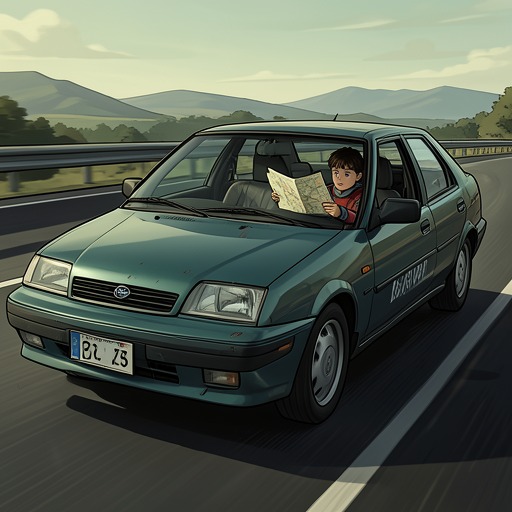
[Bunny Munro](entity:character-recall-character-bunny-munro-3c4dcdc1b459) returned to the [Punto](entity:object-recall-object-punto-9772f593f87d) bloodied and shaken, then made [Bunny Junior](entity:character-recall-character-bunny-junior-301ecc4342bc) read the crumpled address [Poodle](entity:character-recall-character-poodle-beeba5994d8d) had given him. Bunny Junior complied as navigator, and [Bunny](entity:character-recall-character-bunny-ad309e0fabbf) drove toward [Newhaven](entity:location-recall-location-newhaven-13f548bcab8e) rather than turning back from the encounter he had rejected earlier.
Later that day in Newhaven
The Encounter with Pamela
At [Pamela Stokes](entity:character-recall-character-pamela-stokes-8ed098978a75)’s home, [Bunny Munro](entity:character-recall-character-bunny-munro-3c4dcdc1b459) began a conventional sales pitch but quickly yielded to a sexual proposition. He cried as he accepted it, seeming to feel the weight of his life recede while [Bunny Junior](entity:character-recall-character-bunny-junior-301ecc4342bc) waited in the car and dreamed that [Libby](entity:character-recall-character-libby-e30b643acc7d) had come near him.
That night
The Hotel Night
At the [Queensbury Hotel](entity:location-recall-location-queensbury-hotel-be0d30ab33a3), [Bunny Munro](entity:character-recall-character-bunny-munro-3c4dcdc1b459) drank heavily and watched television while [Bunny Junior](entity:character-recall-character-bunny-junior-301ecc4342bc) struggled to sleep. An advertisement for [Butlins](entity:location-recall-location-butlins-257c24582248) prompted [Bunny](entity:character-recall-character-bunny-ad309e0fabbf) to recall his childhood encounter with [Penny Charade](entity:character-recall-character-penny-charade-e45a366bf5de) and the moment he discovered the seductive power he would build his identity around.
The following morning
The Visit to Rottingdean
[Bunny Munro](entity:character-recall-character-bunny-munro-3c4dcdc1b459) visited [Mylene Huq](entity:character-recall-character-mylene-huq-6cb44962886b) in [Rottingdean](entity:location-recall-location-rottingdean-506f52638f07) for sex while [Bunny Junior](entity:character-recall-character-bunny-junior-301ecc4342bc) waited in the [Punto](entity:object-recall-object-punto-9772f593f87d). Mylene’s daughter confronted the boy about what was happening inside, and Bunny Junior defended his father’s salesmanship while trying to make a connection with the girl.
During the second day
The Killer’s Southward Path
News reports showed the [Horned Killer](entity:character-recall-character-horned-killer-edeb71a6d6ef) continuing his attacks and moving south. [Bunny Munro](entity:character-recall-character-bunny-munro-3c4dcdc1b459) became convinced that the killer was heading for [Brighton](entity:location-recall-location-brighton-198006e5b23f), while [Bunny Junior](entity:character-recall-character-bunny-junior-301ecc4342bc) watched his father’s anxiety and continued to see his mother in the crowd.
Later that day on Marine Parade
Bunny Junior Seeks Food
Hungry and left alone in the [Punto](entity:object-recall-object-punto-9772f593f87d), [Bunny Junior](entity:character-recall-character-bunny-junior-301ecc4342bc) disobeyed his father’s instruction and crossed [Marine Parade](entity:location-recall-location-marine-parade-e4637fe2eb14) to buy chips. A suspicious man in a white tracksuit frightened him, and in the crowd he mistook a stranger for [Libby](entity:character-recall-character-libby-e30b643acc7d) before realizing she was not his mother and running back to the car.
Immediately after Bunny Junior returned
The Policewoman’s Questions
A policewoman found [Bunny Junior](entity:character-recall-character-bunny-junior-301ecc4342bc) alone in the car and asked why he was not at school and where his father was. Bunny Junior lied that he was sick and refused to explain more, his fear and anger growing as he waited for [Bunny Munro](entity:character-recall-character-bunny-munro-3c4dcdc1b459) to return.
That afternoon
Theft from Mrs Brooks
[Bunny Munro](entity:character-recall-character-bunny-munro-3c4dcdc1b459) visited the blind [Mrs Brooks](entity:character-recall-character-mrs-brooks-88fac40f4993) and won her trust by massaging lotion into her arthritic hands. While she was absorbed in music and conversation, he stole her wedding rings, even as the room seemed to grow cold and he sensed [Libby](entity:character-recall-character-libby-e30b643acc7d)’s presence near the piano.
Shortly after the visit to Mrs Brooks
Bunny Faces the Police
The policewoman was still beside the [Punto](entity:object-recall-object-punto-9772f593f87d), concerned about [Bunny Junior](entity:character-recall-character-bunny-junior-301ecc4342bc). [Bunny Munro](entity:character-recall-character-bunny-munro-3c4dcdc1b459) initially flirted with her, then invoked the boy’s grief to make her let them go; once away, he turned his attention back to sexual fantasy and the need to keep moving.
That evening
The Argument at Pizza Hut
At Pizza Hut, [Bunny Junior](entity:character-recall-character-bunny-junior-301ecc4342bc) shouted that adults kept asking where his parents were and why he was missing school. [Bunny Munro](entity:character-recall-character-bunny-munro-3c4dcdc1b459) answered by framing the road trip as training for sales, failing to hear the boy’s fear that his eyes were worsening and he might go blind.
That night
The Storm and Georgia’s Call
During a violent storm, [Georgia](entity:character-recall-character-georgia-a4d4e54b78dd) called [Bunny Munro](entity:character-recall-character-bunny-munro-3c4dcdc1b459) from the hotel, sounding lonely and uncertain. Drunk and exhilarated, he mistook her distress for romantic interest, left [Bunny Junior](entity:character-recall-character-bunny-junior-301ecc4342bc) asleep, and drove through the storm to find her.
Late that night
Georgia’s Rejection
At the Wellborne estate, [Bunny Munro](entity:character-recall-character-bunny-munro-3c4dcdc1b459) discovered that [Georgia](entity:character-recall-character-georgia-a4d4e54b78dd) was with the husband she had described as gone. The man kicked [Bunny](entity:character-recall-character-bunny-ad309e0fabbf) down the hallway and shut the door; Bunny returned to the car and masturbated, still blaming Georgia rather than confronting the delusions and grief driving him.
Before dawn
Bunny Junior’s Terror
[Bunny Munro](entity:character-recall-character-bunny-munro-3c4dcdc1b459) returned to the [Empress Hotel](entity:location-recall-location-empress-hotel-ca92b931cd7e) and found [Bunny Junior](entity:character-recall-character-bunny-junior-301ecc4342bc) standing in a puddle of urine, terrified after being unable to find the television remote. [Bunny](entity:character-recall-character-bunny-ad309e0fabbf) told him to change, then let the boy climb onto his lap and cry; he understood that something had to change, though he could not yet say what.
The next morning
The Killer Is Captured
[Bunny Junior](entity:character-recall-character-bunny-junior-301ecc4342bc) read that the [Horned Killer](entity:character-recall-character-horned-killer-edeb71a6d6ef) had been captured, though reports suggested the killer’s horns might be real. The news did not relieve the boy’s unease, and [Bunny Munro](entity:character-recall-character-bunny-munro-3c4dcdc1b459) remained distracted, scanning the hotel and struggling to understand the danger around him.
The third day of the trip
The Last Client Route
[Bunny Munro](entity:character-recall-character-bunny-munro-3c4dcdc1b459) and [Bunny Junior](entity:character-recall-character-bunny-junior-301ecc4342bc) set out to finish the client list. Their route had become a routine of sales pitches, missed meals, [Bunny](entity:character-recall-character-bunny-ad309e0fabbf)’s drinking, and the boy’s anxious attempts to keep his father oriented and himself connected to the world.
During the last day of selling
River Runs Away
[Bunny Munro](entity:character-recall-character-bunny-munro-3c4dcdc1b459) unexpectedly encountered River on the street and approached her as though their earlier encounter had created an enduring bond. River screamed and ran from him, calling him a maniac; [Bunny](entity:character-recall-character-bunny-ad309e0fabbf) explained her rejection as illness, unable to recognize how frightening his behavior had been.
Later that day
The Failed Appointments
Two remaining appointments yielded nothing: one building was obstructed by a disturbing scene in its elevator, and another supposed customer was plainly unwilling to buy. [Bunny Munro](entity:character-recall-character-bunny-munro-3c4dcdc1b459)’s confidence and physical strength were failing, while [Bunny Junior](entity:character-recall-character-bunny-junior-301ecc4342bc) watched his father’s deterioration with growing alarm.
That afternoon
The Assault in the Bungalow
At Mary Armstrong’s derelict bungalow, [Bunny Munro](entity:character-recall-character-bunny-munro-3c4dcdc1b459) heard an eerie sound and found a dying, drug-addicted young woman in a locked room. Fixated on her resemblance to Avril Lavigne, he sexually assaulted her while she was barely conscious, turning his delusion and compulsive appetite into an act of extreme violence.
While Bunny was inside the bungalow
Bunny Junior’s Farewell
Outside in the mist, [Bunny Junior](entity:character-recall-character-bunny-junior-301ecc4342bc) imagined meeting [Libby Munro](entity:character-recall-character-libby-munro-67864496459b), who apologized for not being strong enough and told him to persevere. He accepted that his mother was dead and promised to guide his father, claiming the role of navigator even though he was still a child.
Immediately after the bungalow encounter
Mushroom Dave Attacks
[Mushroom Dave](entity:character-recall-character-mushroom-dave-8e354508b2ed) arrived home, discovered what [Bunny Munro](entity:character-recall-character-bunny-munro-3c4dcdc1b459) had done, and chased him with a golf club. [Bunny](entity:character-recall-character-bunny-ad309e0fabbf) escaped to the [Punto](entity:object-recall-object-punto-9772f593f87d), but [Bunny Junior](entity:character-recall-character-bunny-junior-301ecc4342bc) had left the car to speak with [Libby](entity:character-recall-character-libby-e30b643acc7d); he reappeared just in time to avoid the blow, and the family car was smashed as they fled.
After the escape
The Call About His Father
[Geoffrey](entity:character-recall-character-geoffrey-f3d91d7b55cd) called with an urgent message from [Miss Lumley](entity:character-recall-character-miss-lumley-9eb6aa9e4529): [Bunny Munro](entity:character-recall-character-bunny-munro-3c4dcdc1b459)’s father was gravely ill and needed him immediately. [Bunny](entity:character-recall-character-bunny-ad309e0fabbf) stopped raging at the damaged car long enough to turn toward his father’s home, finally confronting the obligation he had repeatedly avoided.
That afternoon
Miss Lumley Quits
At the building where [Bunny Munro Senior](entity:character-recall-character-bunny-munro-senior-1df1377791aa) lived, [Miss Lumley](entity:character-recall-character-miss-lumley-9eb6aa9e4529) handed [Bunny](entity:character-recall-character-bunny-ad309e0fabbf) the keys and quit, saying the old man needed hospital care and had become abusive. She tended [Bunny Junior](entity:character-recall-character-bunny-junior-301ecc4342bc)’s injured ear before leaving father and son to face the sick man alone.
Immediately after Miss Lumley left
The Father’s Reproaches
[Bunny Munro](entity:character-recall-character-bunny-munro-3c4dcdc1b459) and [Bunny Junior](entity:character-recall-character-bunny-junior-301ecc4342bc) entered the cramped bedsit, where [Bunny Munro Senior](entity:character-recall-character-bunny-munro-senior-1df1377791aa) watched pornography and railed against his son’s sales work. He boasted of his former skill as an antiques dealer, accused [Bunny](entity:character-recall-character-bunny-ad309e0fabbf) of wasting the talent he had inherited, and rejected the offer of tea or medical help.
During the visit
The Grandfather Strikes
When [Bunny Junior](entity:character-recall-character-bunny-junior-301ecc4342bc) defended his father by saying [Bunny](entity:character-recall-character-bunny-ad309e0fabbf) could sell a bicycle to a barracuda, [Bunny Munro Senior](entity:character-recall-character-bunny-munro-senior-1df1377791aa) erupted and struck the boy with his walking stick. Bunny tried to intervene but fell, then cowered as his father raised the stick against him, exposing the cycle of fear and cruelty that shaped their relationship.
At the end of the visit
The Final Admission
After [Bunny Munro](entity:character-recall-character-bunny-munro-3c4dcdc1b459) and [Bunny Junior](entity:character-recall-character-bunny-junior-301ecc4342bc) left, [Bunny Munro Senior](entity:character-recall-character-bunny-munro-senior-1df1377791aa) called his son back and admitted that he was dying. [Bunny](entity:character-recall-character-bunny-ad309e0fabbf)’s tears showed that the old man’s cruelty had not erased his longing for a father’s recognition, but the elder man pushed the door shut before Bunny could return.
Later that afternoon
The Rain-Soaked Drive
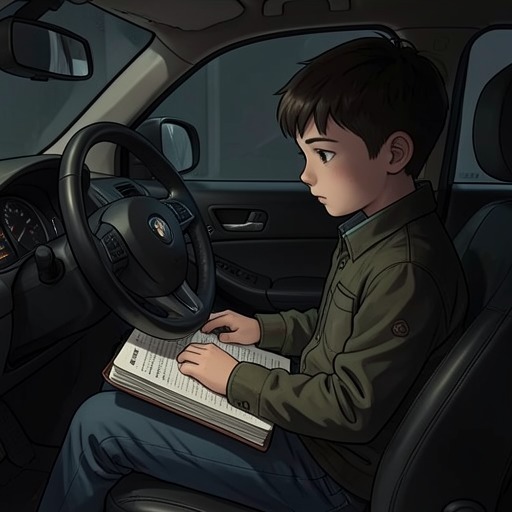
[Bunny Munro](entity:character-recall-character-bunny-munro-3c4dcdc1b459) drove in circles through the storm, drinking, smoking, and crying while [Bunny Junior](entity:character-recall-character-bunny-junior-301ecc4342bc) held his encyclopaedia and tried to reach him. The boy told his father he had spoken with [Libby](entity:character-recall-character-libby-e30b643acc7d) and asked to return to school, but [Bunny](entity:character-recall-character-bunny-ad309e0fabbf) was already being pulled toward another collapse.
During the storm
The Public Breakdown
At a cafe, [Bunny Munro](entity:character-recall-character-bunny-munro-3c4dcdc1b459) saw three women and mistook the scene for an opening to make a sales pitch. He fell at one woman’s feet, begged to be wanted, and asked the horrified customers to have sex with him; the waiter dragged him outside as [Bunny Junior](entity:character-recall-character-bunny-junior-301ecc4342bc) watched from the car.
Moments after the cafe breakdown
The Collision
[Bunny Munro](entity:character-recall-character-bunny-munro-3c4dcdc1b459) drove back into the storm as a [DUDMAN concrete mixer truck](entity:object-recall-object-dudman-35f8f2102e02) swerved into his path and struck the [Punto](entity:object-recall-object-punto-9772f593f87d) head-on. The crash crushed the car and threw [Bunny](entity:character-recall-character-bunny-ad309e0fabbf) into the street, while [Bunny Junior](entity:character-recall-character-bunny-junior-301ecc4342bc)’s fate remained uncertain in the instant of impact.
Near the end of the final vision
The Crowd’s Forgiveness
The women first jeered and condemned [Bunny Munro](entity:character-recall-character-bunny-munro-3c4dcdc1b459), but gradually listened as he confessed his cruelty and begged forgiveness. River, the women he had exploited, and finally [Libby](entity:character-recall-character-libby-e30b643acc7d) embraced or forgave him, giving the vision the emotional reconciliation he had never achieved in life.
At the end of the final vision
Bunny’s Final Encounter
[Bunny Munro](entity:character-recall-character-bunny-munro-3c4dcdc1b459) asked [Libby](entity:character-recall-character-libby-e30b643acc7d) whether she had been haunting him. She denied it, told him [Bunny Junior](entity:character-recall-character-bunny-junior-301ecc4342bc) would be all right, and moved away through the crowd; [Bunny](entity:character-recall-character-bunny-ad309e0fabbf) could only tell her how much he missed her and ask her to forgive him.
Moments before Bunny’s death
The Last Train Ride
[Bunny Munro](entity:character-recall-character-bunny-munro-3c4dcdc1b459) found [Bunny Junior](entity:character-recall-character-bunny-junior-301ecc4342bc) beside the pool and invited him onto the [Electric children’s train](entity:object-recall-object-electric-children-s-tr-8b8a30188ebf). He gave his son the key and told him that this time he was driving, turning the boy’s familiar role as navigator into a final moment of shared joy and trust.
The final moments
Bunny Dies by the Pool
As emergency sirens approached, [Bunny Munro](entity:character-recall-character-bunny-munro-3c4dcdc1b459) sat with [Bunny Junior](entity:character-recall-character-bunny-junior-301ecc4342bc) beside the pool, then lay back and closed his eyes. He said that the world had been a hard place in which to be good, and died while his son held him and the rain fell around them.
Immediately after Bunny Munro’s death
Bunny Junior Refuses Help
Emergency workers and a policewoman rushed to [Bunny Junior](entity:character-recall-character-bunny-junior-301ecc4342bc), who had survived the crash and stayed beside his father. When the policewoman offered her hand, he gently pushed it aside and stood on his own, carrying forward his mother’s call to persevere.